
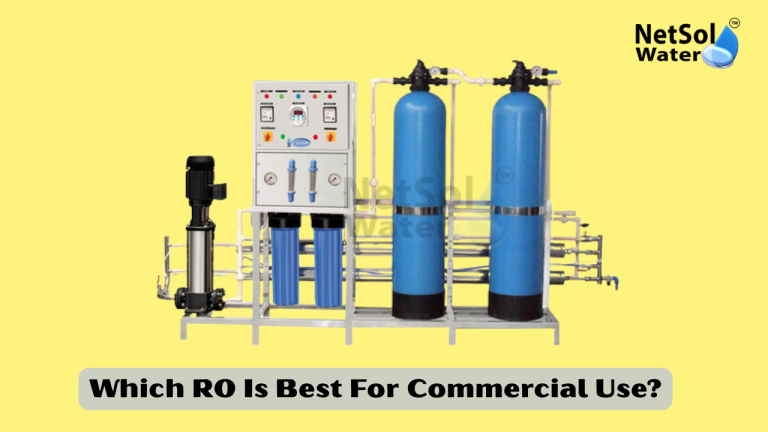
Commercial spaces need clean water every day. Offices, hotels, restaurants, hospitals, schools, factories and many other places depend on a steady water supply for work and service. When water quality is low a normal filter is not enough. That is where a commercial RO plant becomes useful. It removes salts, impurities and many dissolved substances so the water becomes safe and useful for daily operation.
The best commercial RO depends on the water source the water demand and the way the system will run each day. A small business may need a compact setup while a large plant may need a stronger plant with more stages. A trusted company can study the water and suggest a plant that fits the need instead of offering a one size solution. Commercial RO Plant is a leading RO Plant Manufacturer and many businesses choose it because it gives practical plants that work well in real use.
Lifespan Estimates by Application
The life of an RO membrane changes with use. Some plants run for many years while others wear out faster because of poor water quality or weak maintenance. This is why commercial buyers should not look only at purchase cost. They should also look at long term performance. Let us have a look at some common application types.
1) Standard Industrial
A standard industrial RO membrane usually lasts around three to five years under normal working conditions. This is the common design life for many systems that handle regular feed water and maintain proper pressure and cleaning. In such cases the membrane faces steady use but not extreme stress. The system can perform well when the operator checks water quality and keeps the pretreatment unit in good shape.
2) Well-Maintained Systems
A well cared for system can often work for five to seven years. This happens when the operator follows the right cleaning routine and keeps the water chemistry under control. Good pretreatment also helps the membrane stay active for a longer time. In many commercial sites this is the best result a buyer can expect. A skilled RO Plant Manufacturer will always stress maintenance because it protects the full system and not just one part.
3) Process Applications
Process applications can shorten membrane life to about one year in some cases. These systems often face stronger feed water or higher recovery goals. That means the membrane must work harder and deal with more stress. Industries that use water for direct processing should understand this before they choose the plant. A stronger design may cost more at first but it can save money later by lowering downtime and replacement needs.
4) Seawater Desalination
Seawater desalination places a heavy load on the membrane. Salt levels are very high and the system needs strong pressure and careful control. Even then a good membrane may last two to five years. High quality membranes can go beyond that in ideal conditions. However the feed water is harsh so the system needs close monitoring. For such work a business should always choose an experienced RO Plant Manufacturer that understands seawater treatment.
5) Poorly Operated Systems
Poor operation can cut membrane life to less than two years. This often happens when the system does not get proper pretreatment or when the operator ignores key limits. Small mistakes can cause big damage over time. A membrane may fail early even when it was well made. This is why training and regular checks matter as much as the machine itself. The right design from Commercial RO Plant can reduce this risk and support stable use.
Key Factors Affecting Longevity
Membrane life does not depend only on the product quality. It depends more on daily operation and on how well the system protects the membrane from harm. A good commercial RO system must handle feed water in a careful way. It must also stay within safe limits for pressure temperature and chemical contact. Let us have a look at the main factors that affect life.
A) Water Quality
Water quality plays a major role in membrane life. High TDS iron calcium and other dissolved solids put more stress on the membrane. They can block the surface and reduce flow. When the feed water is hard or dirty the system must work more to produce clean water. This extra load can reduce service life. That is why a proper water test should come before system selection. A smart RO Plant Manufacturer studies the raw water first and then plans the right setup.
B) Pretreatment Quality
Pretreatment acts as the first line of defense. It removes dust suspended solids chlorine and other harmful elements before water enters the membrane. If pretreatment fails the membrane gets exposed to damage very fast. This can lead to fouling scaling or chemical attack. Good pretreatment does not just improve water quality. It also protects the investment and keeps the RO plant stable for a longer time. Many users notice better performance when this stage works properly.
C) Chemical Exposure
Chemical exposure can harm membranes in a serious way. Chlorine and other oxidants can destroy thin film composite membranes quickly. This is one of the fastest ways to damage an RO system. Even a short exposure can create lasting harm. For this reason the operator must control every chemical that enters the plant. The membrane should stay away from unsafe disinfectants unless the system design allows it. A reliable RO Plant Manufacturer will always warn users about this risk.
D) Operating Parameters
The membrane also depends on the right operating conditions. Pressure temperature and pH must stay within design limits. When the system runs outside these limits the membrane wears out faster. High temperature is especially harmful. Ideally the water temperature should stay below forty degrees Celsius. Stable operation improves both output and membrane life. This is one reason why monitoring devices and trained staff matter in commercial units.
E) Fouling and Scaling
Fouling and scaling reduce membrane efficiency over time. Organic matter can settle on the surface and mineral scale can form hard layers inside the system. Both conditions block flow and force the plant to use more pressure. This raises energy use and shortens membrane life. Frequent cleaning can help but cleaning itself also has limits. It is better to prevent fouling before it becomes serious. A good design from Commercial RO Plant helps reduce this problem by improving pretreatment and flow control.
Signs for Replacement
Every RO membrane gives signals before it fails fully. Business owners should watch these signs early because a delay can affect water quality and output. When the system starts showing poor performance it is better to check the membrane before the issue spreads. Let us have a look at the most common signs that show the membrane may need replacement.
1) Permeate Flow Drops
A drop in permeate flow means the plant produces less clean water than before. This can happen because the membrane surface has blocked with dirt or scale. It may also show that the membrane has aged and lost strength. When flow stays low after cleaning the system may need a new membrane. This sign should not be ignored because low output can disturb daily work in a commercial unit.
2) Salt Passage Increases
When salt passage increases the filtered water begins to carry more dissolved salts. This can show up as higher conductivity or higher TDS in the clean water line. The membrane may still run but it no longer gives the same quality. For many businesses this is a clear warning. Water quality matters as much as quantity. Once the salt passage rises beyond acceptable limits replacement becomes the practical step.
3) Increased Pressure
Higher pressure demand also signals trouble. When the system needs more pressure to keep the same flow the membrane may be heavily fouled. This makes the whole plant work harder and raises running cost. If cleaning does not fix the issue the membrane may have reached the end of its useful life.
Conclusion
The best RO for commercial use is the one that matches the water source the daily demand and the working conditions of the site. A good system gives steady output low running trouble and long membrane life. That is why buyers should study water quality maintenance needs and pretreatment before they make a choice. A trusted RO Plant Manufacturer helps businesses select the right design and avoid costly mistakes later.
Commercial RO Plant stands as a leading RO Plant Manufacturer for commercial needs. It offers practical solutions that support long service life and stable performance. If you need the right commercial RO system for your business then talk to an expert and ask for a consultation. The right choice today can save money improve water quality and keep your work running without disruption.
Contact Commercial RO Plant at:
Phone: +91-9650608473
Email: enquiry@netsolwater.com