
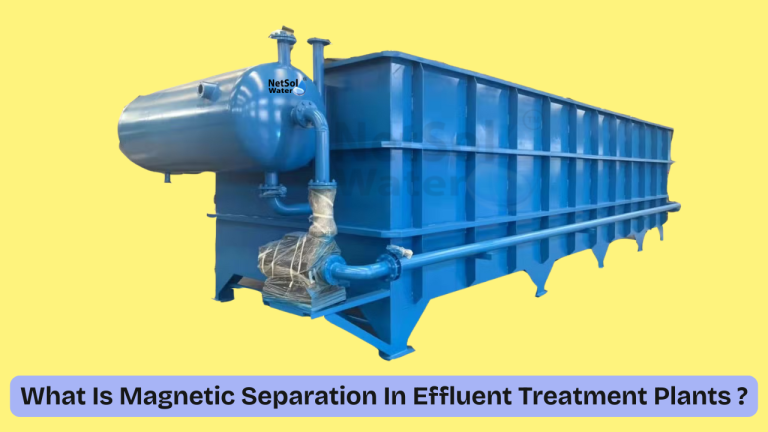
Magnetic separation excels at capturing metals and magnetic particles that challenge other filtration methods. Metals and metallic particles often contaminate water and endanger aquatic ecosystems when discharged untreated. Magnetic separation ensures Effluent Treatment Plant produce cleaner water by capturing these particles. This efficient metallic impurity removal helps industries meet environmental regulations and protects water bodies from contamination. In this blog we will discuss about the What Is Magnetic Separation In Effluent Treatment Plants.
Applications of Magnetic Separation in Different Industries
Many industries utilize magnetic separation, particularly those producing metallic waste or handling magnetic particles. Magnetic separation enhances effluent treatment processes to achieve higher water quality for reuse or discharge. The following sections examine industries benefiting from magnetic separation in wastewater treatment.
1) Mining and Metal Processing:
Mining operations generate substantial wastewater containing metal particles. Magnetic separation captures these particles to reduce overall metal content. Metal processing plants produce wastewater containing fine metal shavings and particles from cutting or polishing. Magnetic separation intercepts these contaminants before they enter the effluent stream, ensuring safer discharge water. Mining and metal industries control metallic pollution and improve water quality through magnetic separation.
2) Food and Beverage Industry:
Food and beverage producers employ magnetic separation to maintain metallic-particle-free water in production. Metallic contaminants can compromise product quality and safety. ETPs use magnetic separators to capture metallic particles before water reuse or discharge. This process maintains water purity standards crucial for food processing. Magnetic separation also protects equipment from particle-induced wear improving operational efficiency.
3) Chemical Manufacturing:
Chemical manufacturing processes generate magnetic particles and metallic impurities. Magnetic separation removes these particles from wastewater to meet regulatory discharge standards. Chemical plants require clean water to prevent contaminant interference with production processes. Chemical manufacturers ensure environmental protection and safe disposal compliance through magnetic separation.
Conclusion
Magnetic separation enhances effluent treatment plants by efficiently removing metallic and magnetic impurities from wastewater, promoting water quality and environmental safety. This method offers a chemical-free, low-maintenance and cost-effective solution for various industries by harnessing magnetic forces to capture contaminants. Magnetic separation helps achieve high water purity standards ensures safe discharge and reduces pollution. Mining, food processing and chemical manufacturing industries particularly benefit from this technique, meeting regulatory requirements and environmental responsibilities. Businesses can achieve reliable and sustainable water treatment through magnetic separation. Contact us to explore how magnetic separation can enhance your effluent treatment plant or request a consultation for more information.
To explore customised commercial RO plants, Industrial RO plants, ETP or STP solutions for your needs in your areas and nearby regions, Contact Netsol Water at:
Phone: +91-965-060-8473
Email: enquiry@netsolwater.com