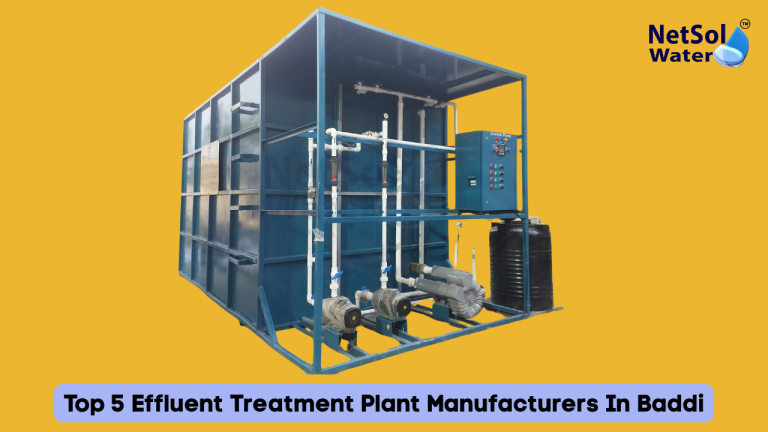
Because global level of progression in almost every field including technology have permeated through every aspect of this city i.e., Baddi where people are becoming gradually aware of every environmental degrade & The 21st century is characterized by both air pollution & water poisoning. Due to insufficient effluent treatment & its handling, the country’s ability to provide safe, clean […]
Read more
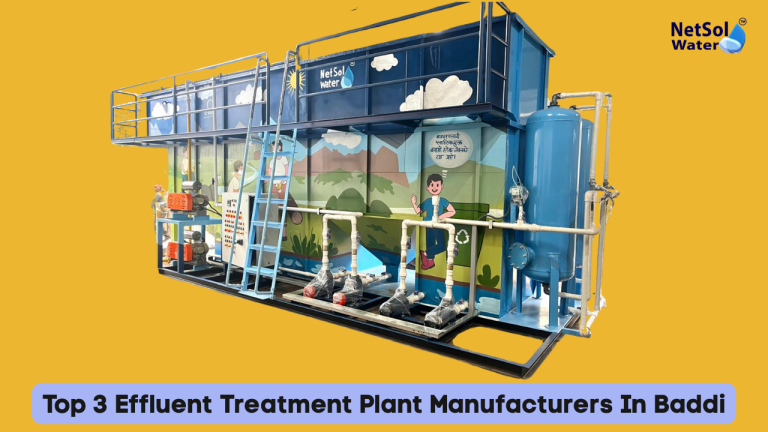
An effluent is a waste liquid that is discharged from a home, hospital, or other medical facility, as well as from a number of industrial companies & organizations. Storm water that is carried away from homes & commercial/industrial businesses, as well as wastewater that may be completely tainted with urine, waste from humans & pets, kitchen-bathroom waste materials, as […]
Read more
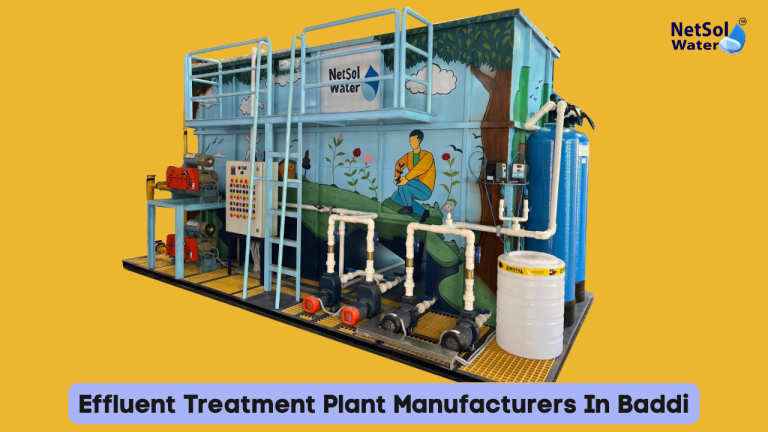
Baddi has been located geographically as a suburban city in the north India. Baddi is regarded as one of the world’s largest producers & exporter of goods & machines. Due to its semi-dry environment near the tropical region, high temperatures, & surplus freshwater supplies that is being gradually vanishing, Baddi confronts considerable issues connected to […]
Read more
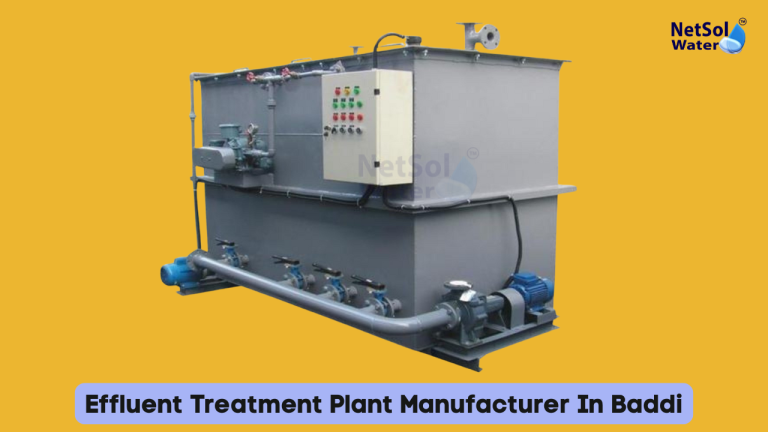
Effluent Treatment Plants, or ETP Plants for short, are sophisticated systems made to treat sewage, chemical contaminants, & industrial wastewater so that the cleaned water can be recovered, repurposed or released into the environment without risk. These plants are essential for reducing the negative effects that industrial operations have on the environment including almost all water […]
Read more
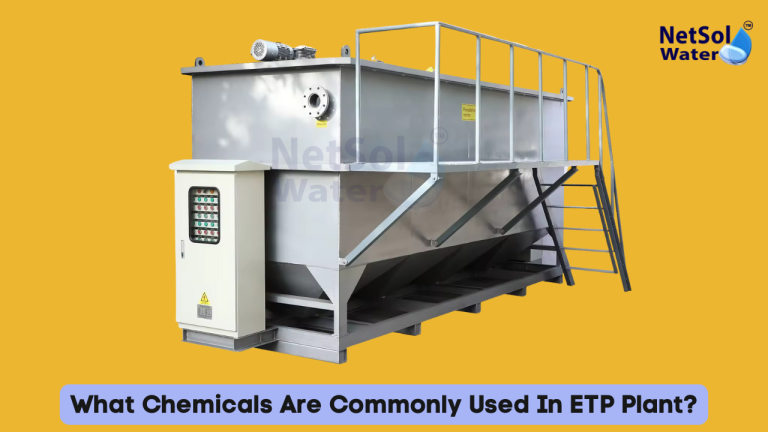
ETP plants restore water that is pure to the environment while sterilizing wastewater. Operators in these facilities add particular compounds to aid in the removal of particles & hazardous substances. Every chemical has a distinct function in altering the characteristics of water or dissolving fine particles. The process can be accelerated & the result made […]
Read more
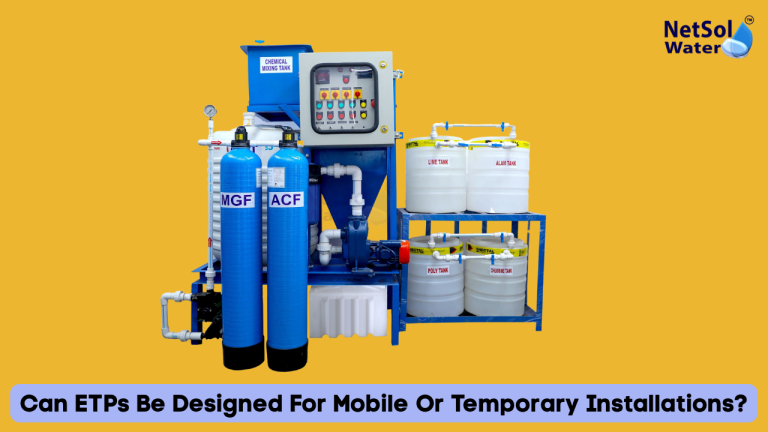
Water quality is brought under control with a mobile or temporary ETP for projects that are seasonal or longer-term & may move from one location to another. When opposed to creating a fixed plant, this method saves clients money, time, & effort. It also assists users in quickly adhering to guidelines. Commercial RO Plant creates solutions […]
Read more
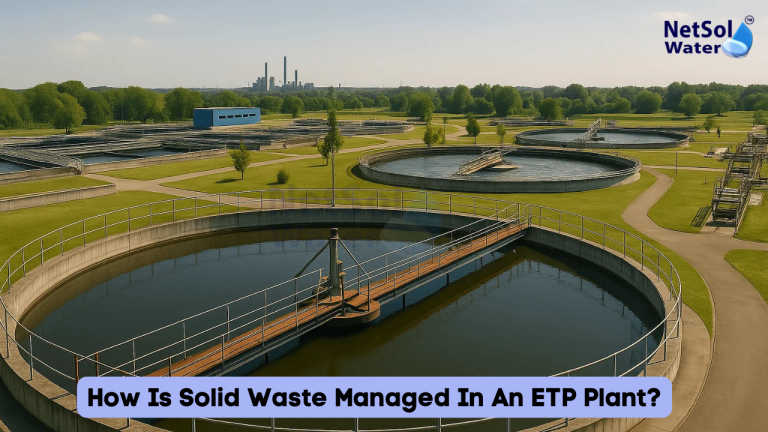
Everything from big trash to fine sludge is considered solid waste. These solids must be eliminated gradually in an ETP Plant. Large solid particles in screens are first eliminated by the system. Heavy grit is then shed by the ETP Plants in grit chambers. Finer solids are later allowed to accumulate & collected in sedimentation tanks by […]
Read more
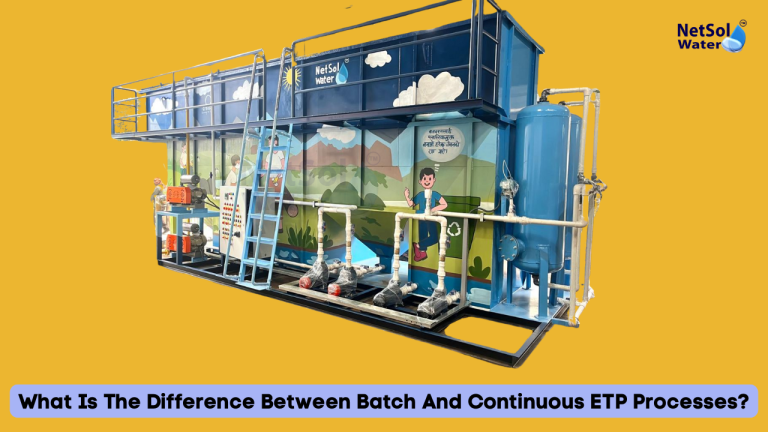
Effluent Treatment Plants are necessary for industries with a requirement to treat wastewater prior to its disposal or reuse. The batch process and the continuous process are two prevalent methods of running an ETP. By understanding the difference between batch and continuous Effluent Treatment Plant processes, facility managers are able to select the appropriate system […]
Read more
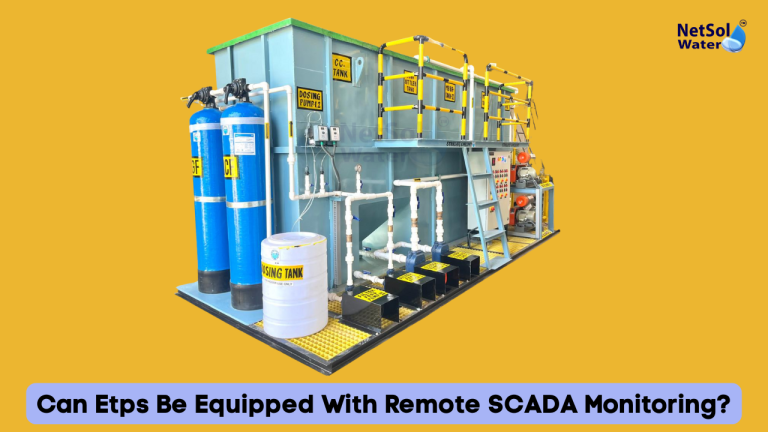
Effluent Treatment Plants are a key feature of contemporary industrial setup. With growing industries and tightening environmental regulations, efficient handling of wastewater treatment is no more a choice, but an absolute necessity. Improving operational efficiency and minimizing human errors is perhaps the most effective method to be followed. Among various automation tools used in the […]
Read more
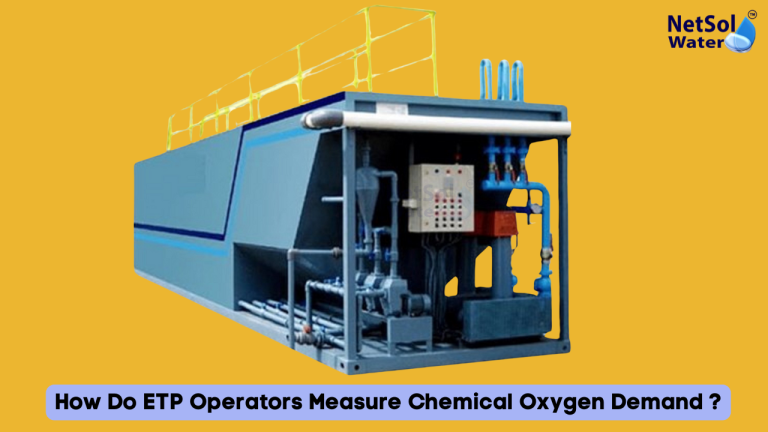
In Effluent Treatment Plants, water quality monitoring is necessary to effectively remove toxic pollutants before they are discharged back into the environment. Chemical Oxygen Demand, or COD, is one of the most significant tests used to quantify water pollution. But how do ETP operators measure Chemical Oxygen Demand and why? This log discusses what COD […]
Read more